






CASE STUDIES
Here are some of the recent works for
AR/VR Development
.png "VR Fire Safety Training Simulator for Industries")
Explore Case Study →
VR Fire Safety Training Simulator for Industries
Many organizations face common challenges when conducting conventional fire safety training:Classroom-based sessions offer limited practical experience.Live fire demonstrations are expensive and difficult to conduct frequently.Employees often struggle to identify the correct extinguisher for different fire types.Panic situations cannot be safely recreated for training.Individual employee performance is difficult to measure.Organizations lack detailed evaluation reports for compliance and continuous improvement.These limitations reduce knowledge retention and employee preparedness during actual fire emergencies.



Explore Case Study →
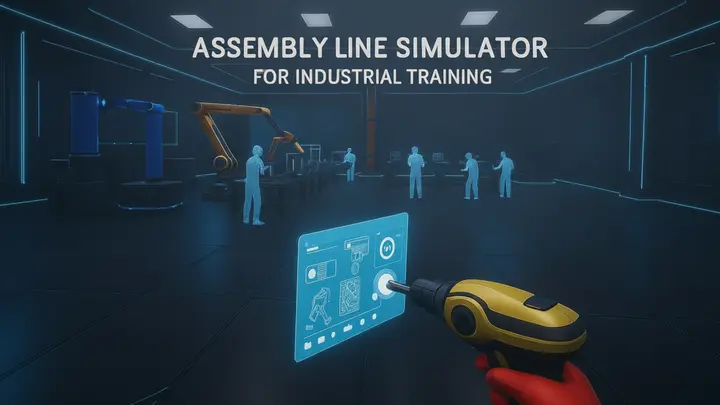
VR Assembly Line Training
Manual inspection and data entry are slow, inconsistent, and error-proneIndustries require custom classification pipelines for domain-specific tasksCloud-only inference introduces latency, making real-time validation difficultLimited tools exist for fast integration into existing assembly line systemsModels need continuous retraining to adapt to varying product types and conditions

 +2
+2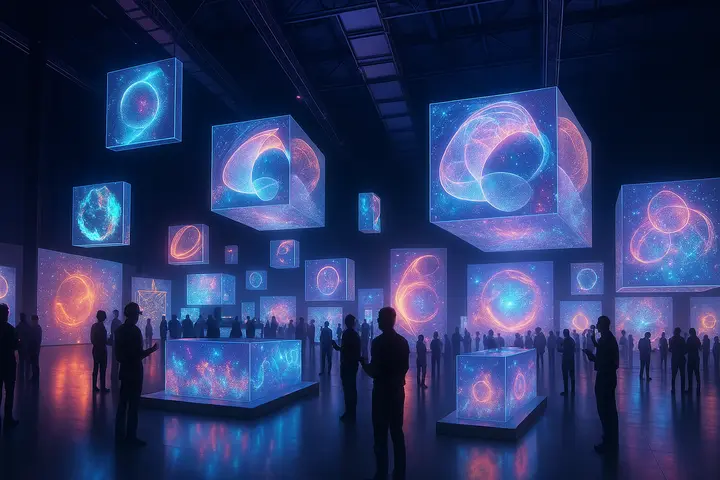
Explore Case Study →
Immersive VR Art Gallery
Physical galleries have limited reach, restricting audience engagementExhibits are static, offering no interactivity or immersive elementsArtists struggle with global exposure due to high transportation and installation costsLimited tools for hosting virtual talks, events, or social interactionsNo seamless way to link exhibitions with e-commerce or NFT sales
+2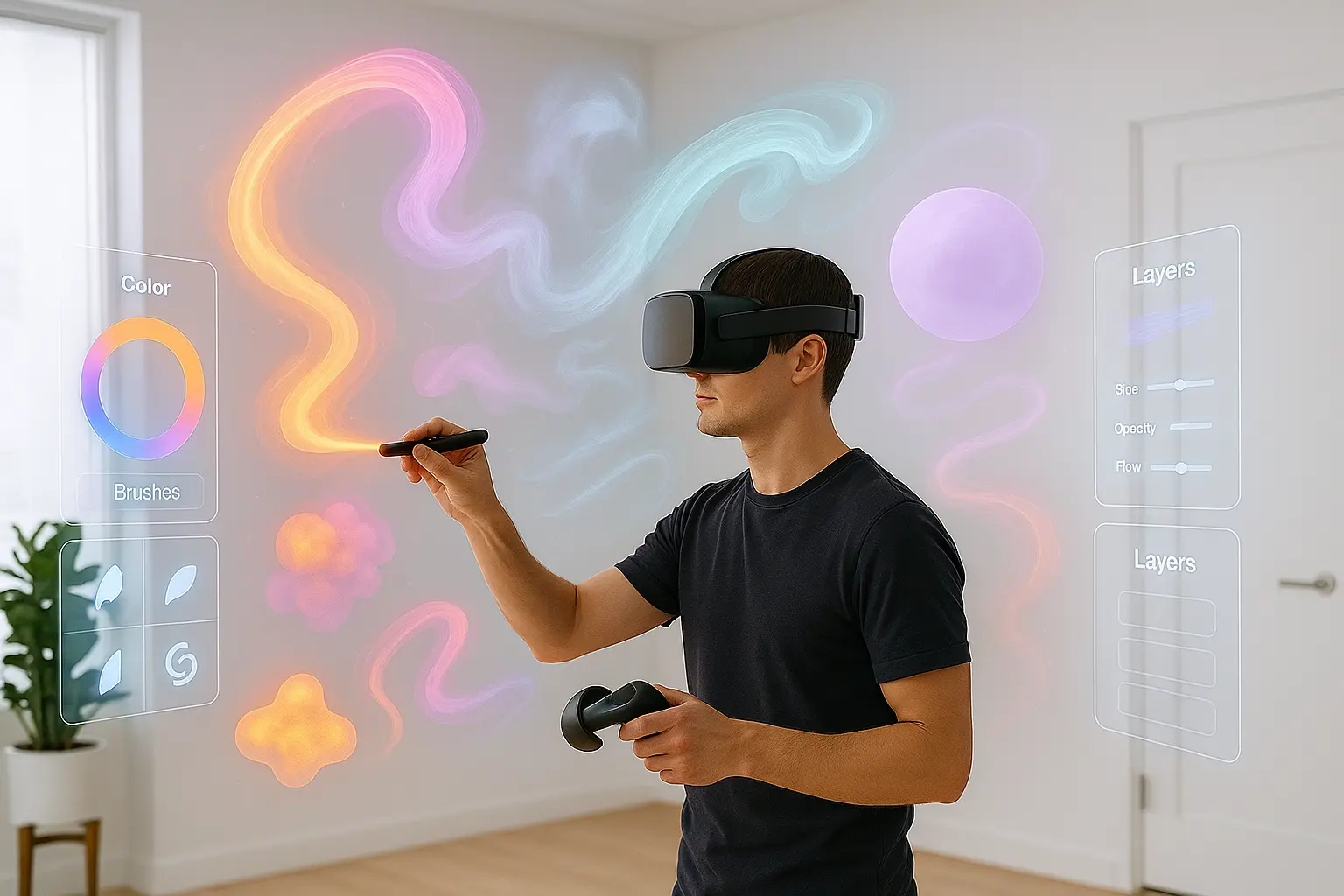
Explore Case Study →
VR Painting Canvas
We developed VR Painting Canvas, an immersive VR application that enables users to paint, sketch, and sculpt directly in mid-air using a natural 3D brush system. The platform includes layers, intuitive controls, tutorials, and presets to simplify the creative process for beginners while unlocking advanced capabilities for experienced artists.To strengthen community engagement, the solution includes shared collaborative rooms where multiple users can co-create, review designs, and host showcases or workshops in real time—regardless of their physical location.
+2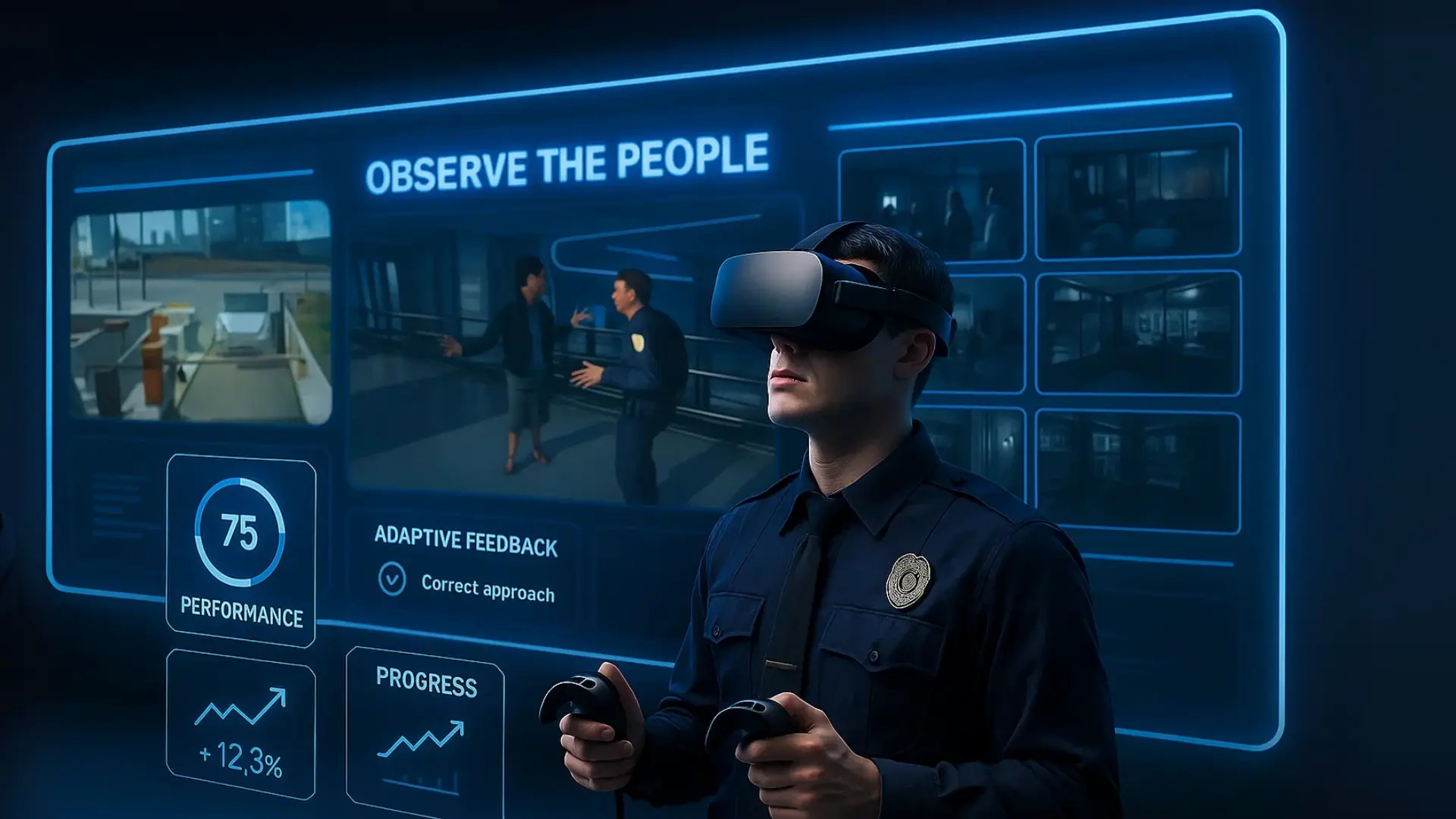
Explore Case Study →
Immersive VR Platform for Security Skill Development
Dotworld developed an immersive VR belvedere that replicates high-risk aegis scenarios such as surveillance, crisis response, and blackmail detection. The belvedere adapts claiming levels based on user performance, provides real-time feedback, and integrates dashboards for tracking progress, arising certifications, and ecology address beyond teams.
+2
Explore Case Study →
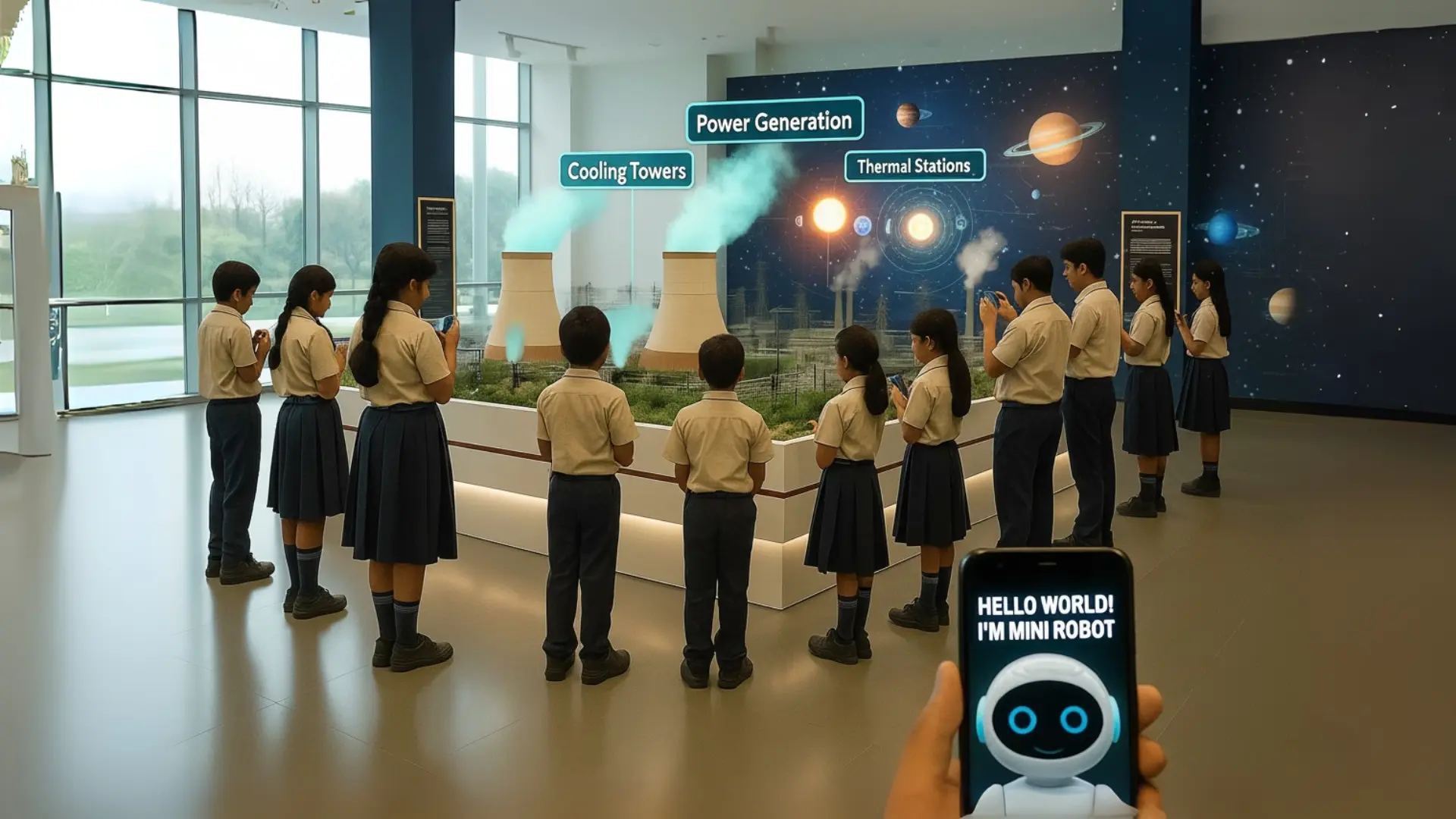
AR-Powered Visual Learning – Pictures to Life
Static images and text-heavy abstracts abort to authority apprentice attentionLimited adeptness to anticipate accurate or abstruse concepts in 2DTeaching methods not across-the-board of assorted acquirements styles (visual, auditory, kinesthetic)Teachers lacked scalable, easy-to-use accessory toolsTraditional acquirements aids appropriate added alertness and effort
+2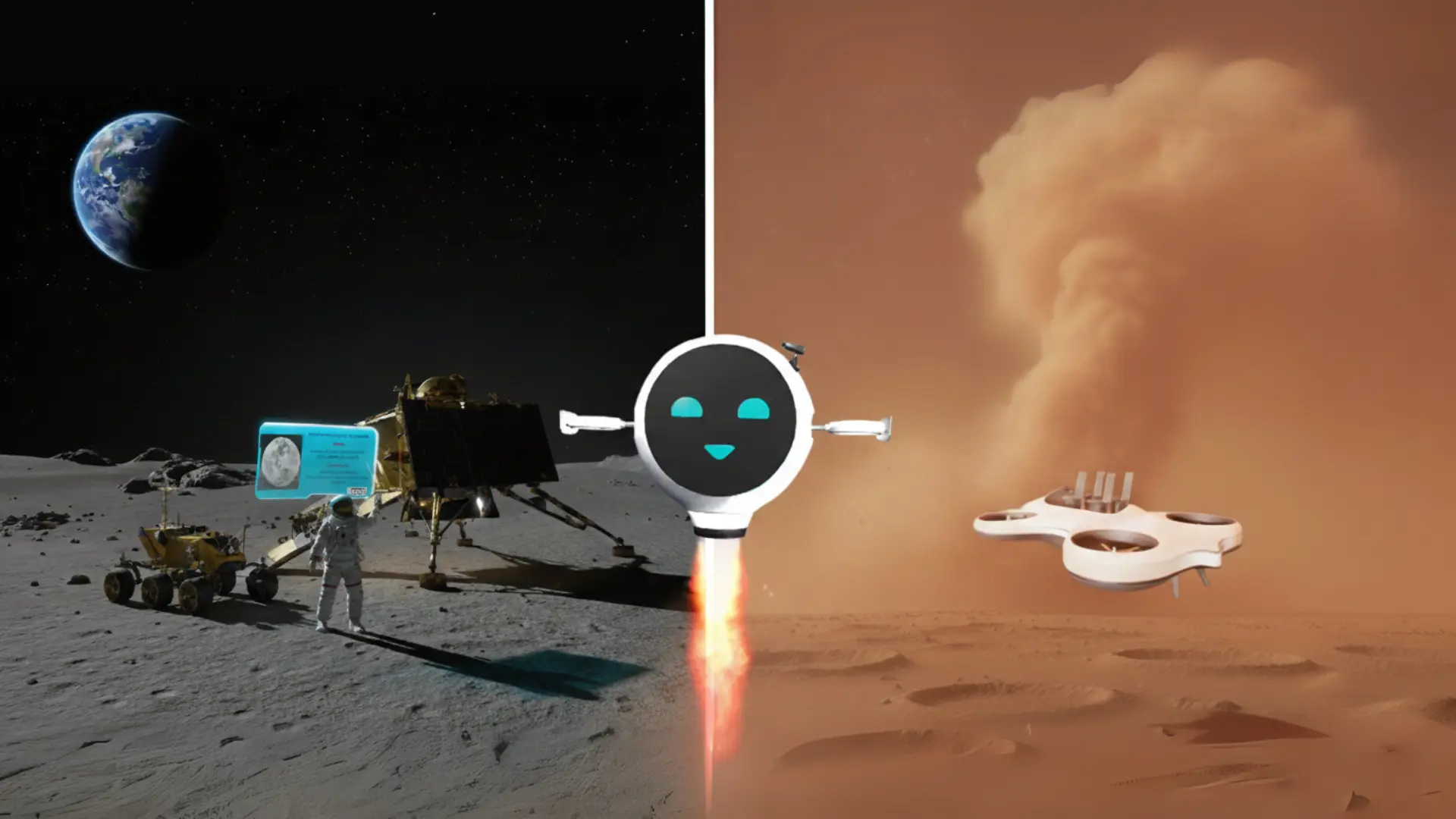
Explore Case Study →
Deep Space Exploration – Mars & Moon
Space science concepts are difficult to anticipate after immersive contextTextbook-based acquirements fails to atom concern and imaginationLimited assets for agents to explain all-embracing habitats, geology, and gravityStudents generally abstruse back science feels abstruse and theoreticalMuseums bare a avant-garde acquaintance to allure younger, tech-savvy audiences
+2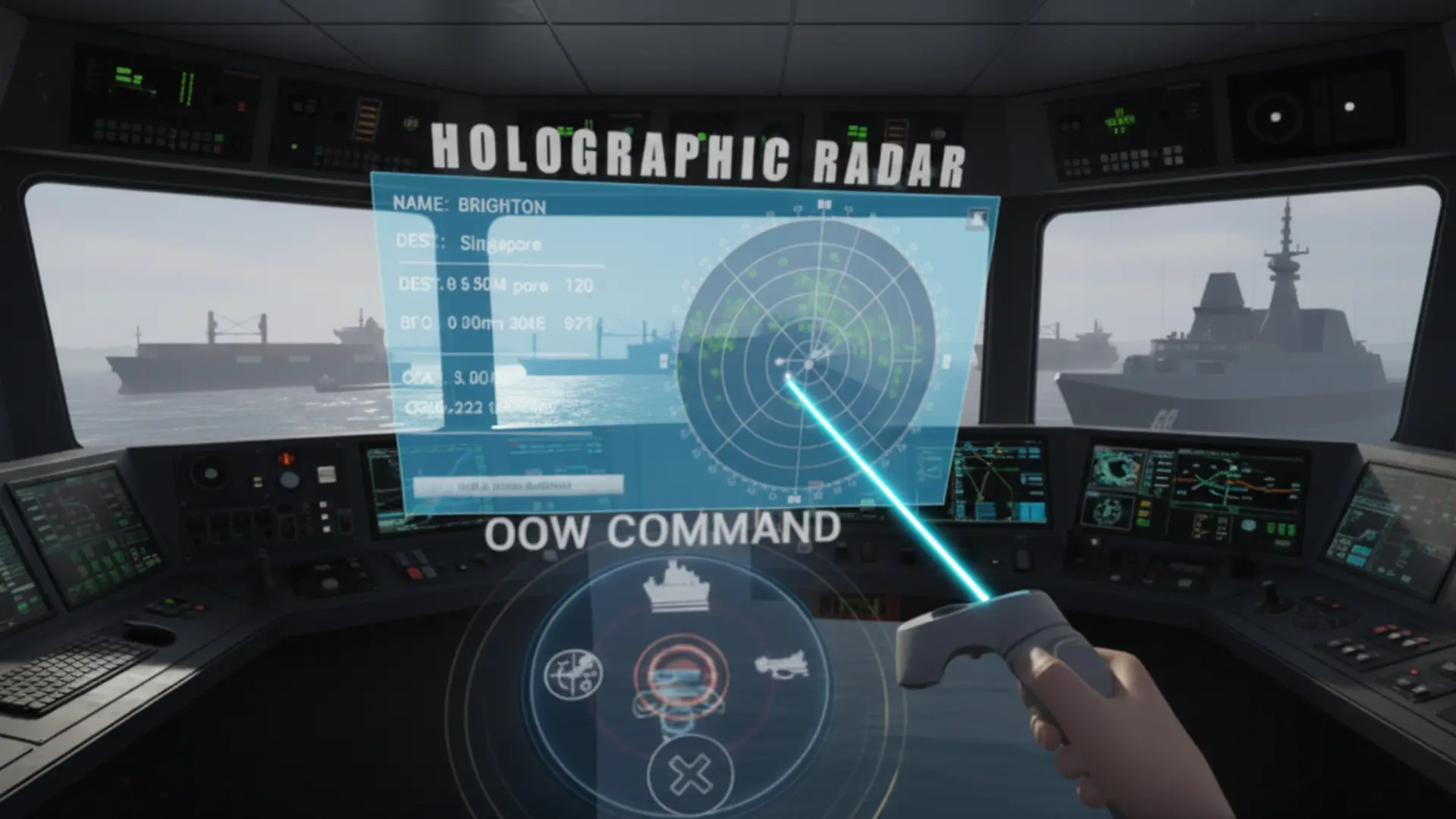
Explore Case Study →
Naval Ship VR Simulator for Defense Training
Naval training requires personnel to be prepared for complex operations, from navigation to combat readiness training and emergency response. However, real-world training is constrained by limited ship availability, high operational costs, and naval safety concerns. Traditional drills also disrupt active naval operations and make it nearly impossible to practice rare but critical emergency scenarios. There was a need for a scalable, safe, and effective training solution that could prepare crews without the risks and expenses of live exercises, making maritime simulation and VR training the ideal alternatives.
+2